
AI Lacks Empathy and Physical Labor: Are You Moving to a Human-Centric Business?
AI Lacks Empathy and Physical Labor: Are You Moving to a Human-Centric Business?
The digital revolution has reached a tipping point. For years, we were told that technology would simply "augment" our corporate roles, making us more efficient. But as Generative AI matures, the reality is becoming starker: if your job consists primarily of processing information, analyzing data, or drafting reports, you are in the path of a high-speed algorithm.
However, there are two fundamental areas where AI hits a dead end: empathy and physical labor.
As the corporate world becomes increasingly automated and cold, a new "Human-Centric" economy is emerging. Savvy executives and middle managers are recognizing that the most secure "moat" they can build around their career is one rooted in human connection and physical necessity.
The question is: What is your strategy to pivot toward a human-centric business before the digital one moves on without you?
The Empathy Deficit in the Digital Age
AI can write a sympathetic-sounding email, but it cannot feel empathy. It cannot navigate the complex emotional landscape of a family choosing a senior living facility for a loved one. It cannot provide the motivational spark that happens in a boutique fitness studio or the reassurance a homeowner needs during a high-stress restoration project.
Business models that rely on High-Touch, High-Trust interactions are inherently AI-proof. People crave human connection, especially in moments of crisis, health, or personal growth. When you own a business that solves human problems with human empathy, you are investing in a market that can never be "disrupted" by a software update.
The Physicality Gap
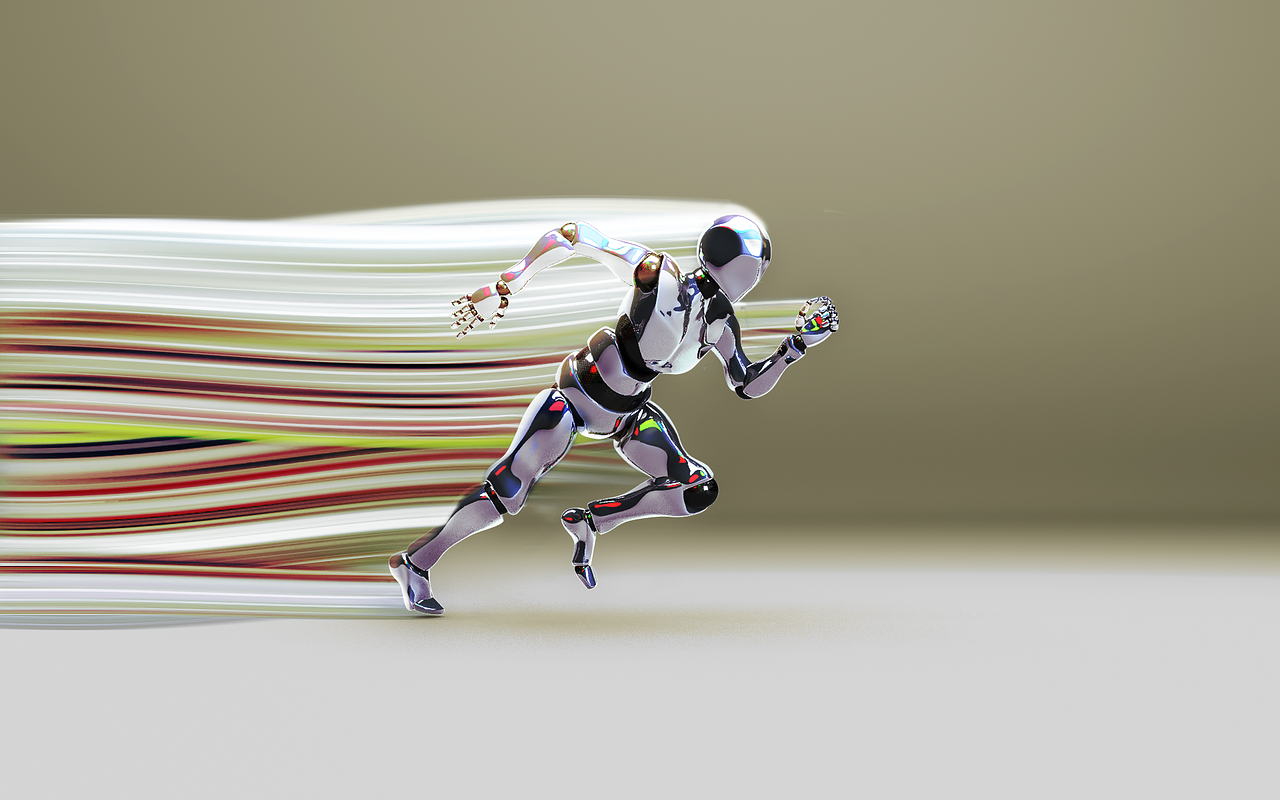
On the other side of the coin is physical labor—the "dirty work" that keeps society functioning. While Silicon Valley dreams of humanoid robots, the reality is that the physical world is too varied and complex for current automation.
AI cannot crawl into a basement to fix a burst pipe. It cannot physically remediate mold, install a smart-home electrical grid, or manage a local logistics team. Businesses that provide essential physical services are the backbone of the "Real Economy." They are recession-resistant because they are unavoidable, and they are AI-proof because they require a physical presence.
Why You Need a Franchise Consultant to Map Your Strategy
Transitioning from a corporate environment to a human-centric service business is a significant shift in mindset. You are moving from a world of "abstract output" to one of "tangible results."
This is where working with a franchise consultant like Ron Filian becomes your greatest strategic advantage. Ron doesn't just show you a list of businesses; he acts as an executive advisor to help you navigate the "Human-Centric" landscape.
1. Identifying the "Executive" Version of Human Services
Many professionals hesitate to move into service industries because they don't want to be "on the tools." A consultant like Ron Filian specializes in identifying executive-model franchises. These are businesses where you use your leadership, empathy, and organizational skills to lead a team of technicians or caregivers. You are the conductor of the orchestra, not the one playing every instrument.
2. Strategic Vetting and Risk Mitigation
The "essential services" sector is vast. Some brands have incredible support systems, while others are struggling to keep up with the demand. Ron Filian uses a disciplined vetting process to look at the health of the franchisor, the success of existing franchisees, and the long-term viability of the industry. He helps you find a brand where the "human element" is backed by a robust, tech-enabled system.
3. An Additional Resource for Future Growth
Many executives utilize Ron Filian as an additional resource to discuss future franchise business opportunities while they are still in their corporate roles. This allows for a "strategic slow-build." You can explore semi-absentee models—businesses that focus on empathy and physical service—while you continue to draw your corporate salary, creating a bridge to your eventual full-scale pivot.
Crafting Your "Human-Centric" Strategy
If you are ready to move toward a business that AI can't touch, your strategy should focus on three pillars:
Pillar 1: Essentiality. Does this business solve a problem that people must fix? (e.g., HVAC, plumbing, restoration).
Pillar 2: Emotional Connection. Does this business provide a service where a human face and a human voice add significant value? (e.g., senior care, wellness, education).
Pillar 3: Scalability. Can your corporate leadership skills be used to manage multiple units or a large territory?
By focusing on these three areas, you aren't just "buying a franchise"—you are architecting a future where you are the owner of an indispensable asset.
Conclusion: Don't Compete with Bots—Lead Humans
The AI revolution is a wake-up call to return to what humans do best: lead, empathize, and solve physical problems. The corporate world may be shrinking, but the demand for high-quality, human-centric services is exploding.
Working with an expert like Ron Filian provides the clarity and data you need to make your move with confidence. Stop trying to out-process an algorithm and start building a business that celebrates the human element.
Are you ready to turn your resolution into reality?
Connect with Ron today to find the franchise that will make your most successful year yet. ronfilian.com

